
Investing in land: is it profitable in Quebec?
Is investing in land in Quebec profitable? The short answer is yes, provided you choose the right location and understand what genuinely drives a lot's value over the years.
Unlike a building that already stands, land carries a value that depends almost entirely on its location, its access and its future development potential. This article details the factors to examine before investing in land, and why some areas stand out clearly from the rest.
Investing in land: what drives profitability
Location remains the most decisive factor. A lot near a navigable lake, a well-known mountain or a highway easily reached from Montreal generally holds its value more steadily than an isolated one.
Access to drinking water, electricity and a road maintained year-round also directly influences the future cost of construction. A lot that demands substantial servicing work eats into the profit margin, even if its initial purchase price looks attractive.
Municipal zoning plays a central role too. A lot zoned for resort or residential use in a growing area generally offers more appreciation potential than one whose permitted use remains uncertain.
The state of Quebec's real estate market also weighs in the equation. According to Royal LePage's 2026 forecast, the shortage of land tied to municipal restrictions continues to put upward pressure on prices in several regions, which has historically benefited owners already holding a well-located lot.
Prestige land: real value goes beyond price per square foot
Prestige land stands out through characteristics that go beyond a simple price-per-square-foot calculation. Orientation relative to the sun, topography, an open view over a lake or a mountain range and the scarcity of the area all weigh in the balance.
These elements explain why two lots of comparable size can carry very different prices. A lot within a community governed by an architectural charter, where every property meets a quality standard, also holds its value better than an isolated lot with no such framework.
In the Quebec City region, the analysts quoted by Radio-Canada anticipate a marked rise in the median property price in 2026, a trend that also reaches vacant land in areas where supply remains limited relative to demand. That context strengthens the case for buying early in a growing area rather than waiting until prices have already climbed.
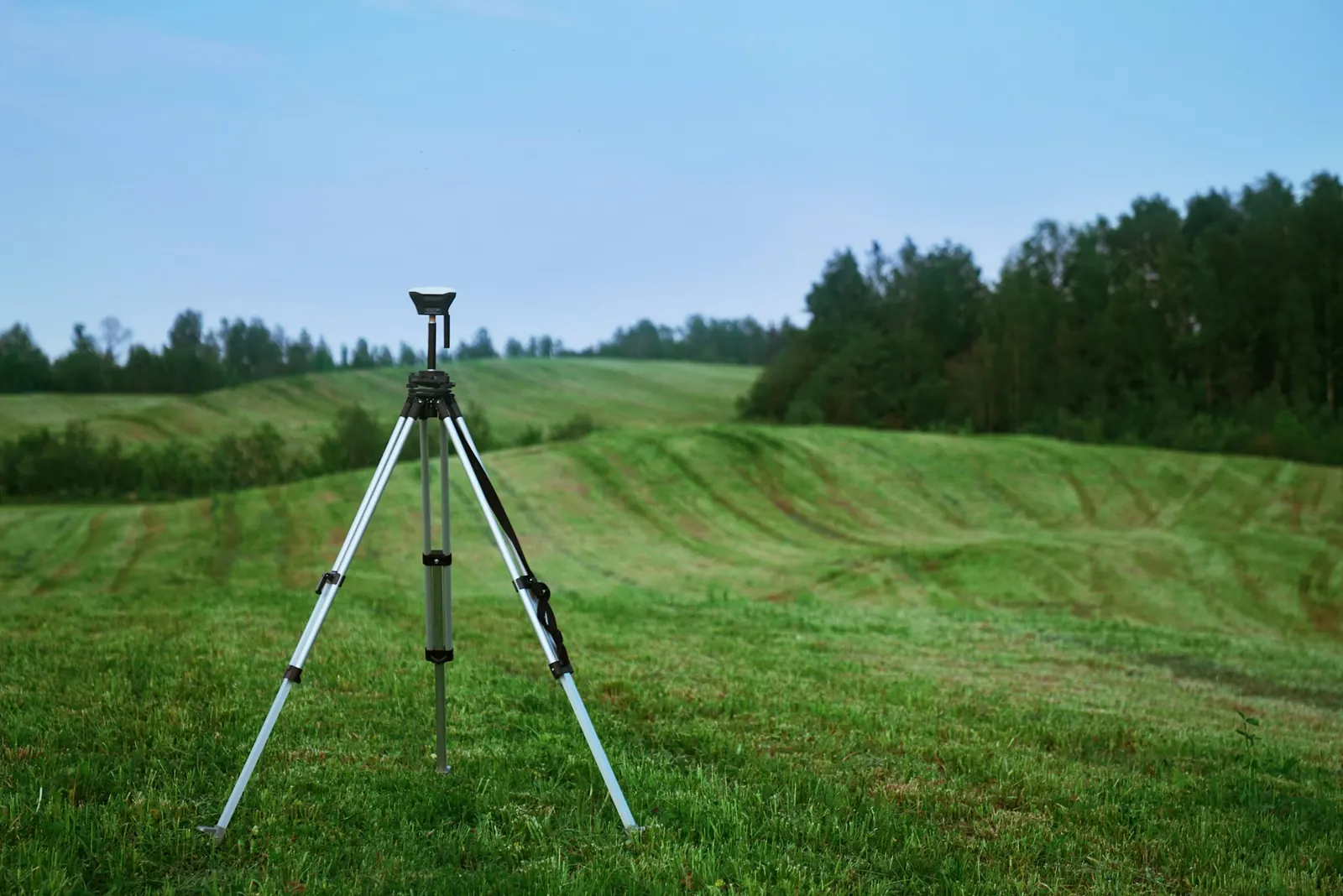
The steps to buying land in Quebec
Before signing a purchase offer, several checks are needed to avoid unpleasant surprises once you own the lot.
- Confirm the municipal zoning and the uses permitted on the lot
- Verify access to services, notably electricity and drinking water
- Validate existing easements with the land registry office
- Assess servicing costs before setting a construction budget
- Consult a broker or a chartered appraiser if the asking price raises doubts
These checks take time, but they head off unforeseen expenses that can easily exceed whatever you saved on the purchase.
It is also worth comparing several lots within the same area before making an offer, rather than trusting the first one you visit. Price gaps between two neighbouring lots often come down to details invisible to the eye, such as the nature of the soil or the real distance to the power grid.
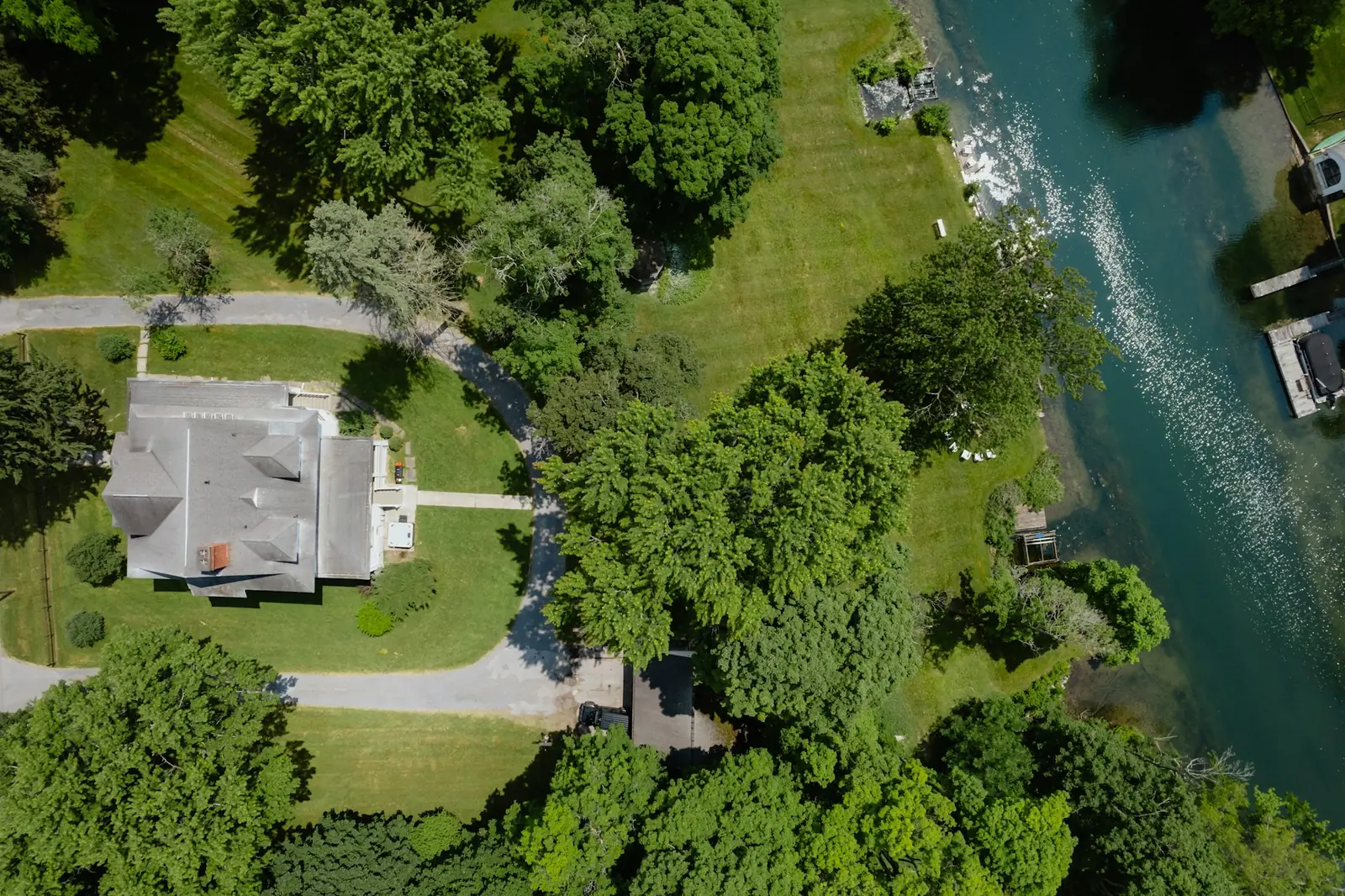
Visiting a community before committing lets you check several of these criteria concretely. Planning a visit remains the simplest way to get answers on the ground.
Investing in land: the short answer
Yes — across most established resort areas, land values have followed an upward trend driven by sustained demand and limited supply. A well-located lot, with access to water or to a mountain, generally holds its value better than a standard one, while also offering future construction potential.
Rental land, personal land or development land
The table below compares three common use profiles for land bought in Quebec.
| Use profile | Land for personal use | Land for a rental cottage | Development land |
|---|---|---|---|
| Primary objective | Family second home | Generating rental income | Resale or multiple construction |
| Location sought | Quiet, nature | Tourist access, lake or mountain | Population growth, flexible zoning |
| Investment horizon | Long term, personal use | Medium to long term | Varies with the project |
| Key value driver | Quality of life | Tourist traffic | Densification potential |
Structured support for land buyers
Some investors prefer to start from a bare lot in order to design a cottage entirely suited to their needs, while others opt for a model that already exists within an established community. The page listing the available communities and lots lets you compare the two options.
Domaine Blais, at the heart of the Domaine des Hauts-Sommets in Saint-Côme, is a good illustration of this kind of framework, with lots sold in an area where the architectural charter protects the visual coherence of the whole community.
Structured support also makes it easier to understand a lot's real potential, rather than relying solely on the price shown during a first visit.
This approach reduces the risk attached to a first land purchase, particularly for an investor who does not yet have the experience to assess elements such as servicing or zoning compliance alone. Having access to a team that has already guided several similar projects also speeds up the decision-making process.
Investing in land: a decision prepared with the right data
Investing in land in Quebec can be profitable, but that profitability depends directly on the location, the zoning and the servicing costs, not on the initial purchase price alone. Taking the time to verify these elements before signing remains the best protection against a rushed decision.
To explore the lots currently available within the existing communities, plan a visit.
Your questions, our answers
Is investing in land really worth it over the long term?
Investing in land is generally worth it over the long term in Quebec's established resort areas, where value rises thanks to sustained demand and limited supply. A well-located lot, with access to water or to a mountain, generally holds its value better than a standard one, while also offering attractive future construction potential for a buyer willing to wait.
How do you choose the right lot to build your cottage on?
The choice rests on several essential checks, notably municipal zoning, access to services such as electricity and drinking water, and the easements registered against the lot. Topography and orientation relative to the sun also directly influence the future cost of construction. Consulting a professional before buying avoids unforeseen expenses once you own the lot, well before the first shovel goes into the ground.
What is the difference between prestige land and standard land?
Prestige land stands out through its location, its view and the scarcity of the area, rather than through square footage alone. Orientation, access to a navigable lake and a community's architectural framework directly influence its long-term appreciation. Standard land, by contrast, depends more on the general trends of the local real estate market and on the demand observed in its area.